Just under a third of the cars on our roads run on diesel, but those numbers are set to swiftly decline. Figures from the Society of Motor Manufacturers and Traders (SMMT) have revealed that just 5.1% of new cars bought in 2025 were diesels. And now, an independent transport research company claims that many petrol stations in London will stop selling diesel over the next four years, due to the fall in demand.
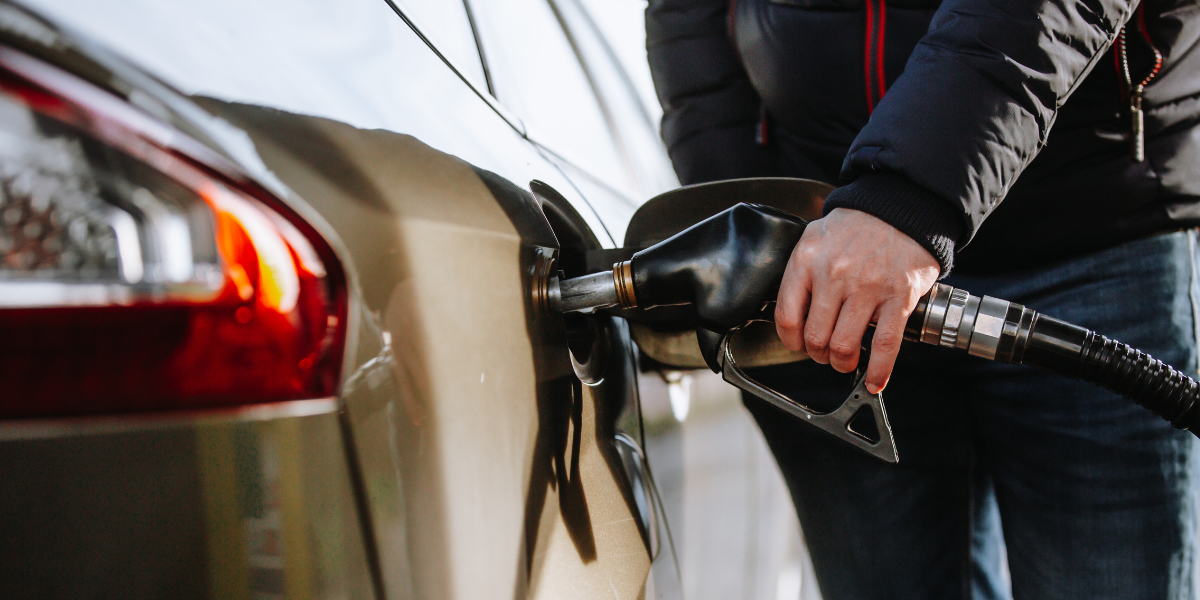
New AutoMotive estimates that over the next decade, around 8,400 filling stations across the rest of the country will stop selling diesel due to the uptake of electric cars, but it will be our capital that sees this switch more acutely – hence the four year prediction of reduced supply in London. It’s thought that retailers won’t be able to justify stocking diesel as demand drops, because the fuel degrades when stored.
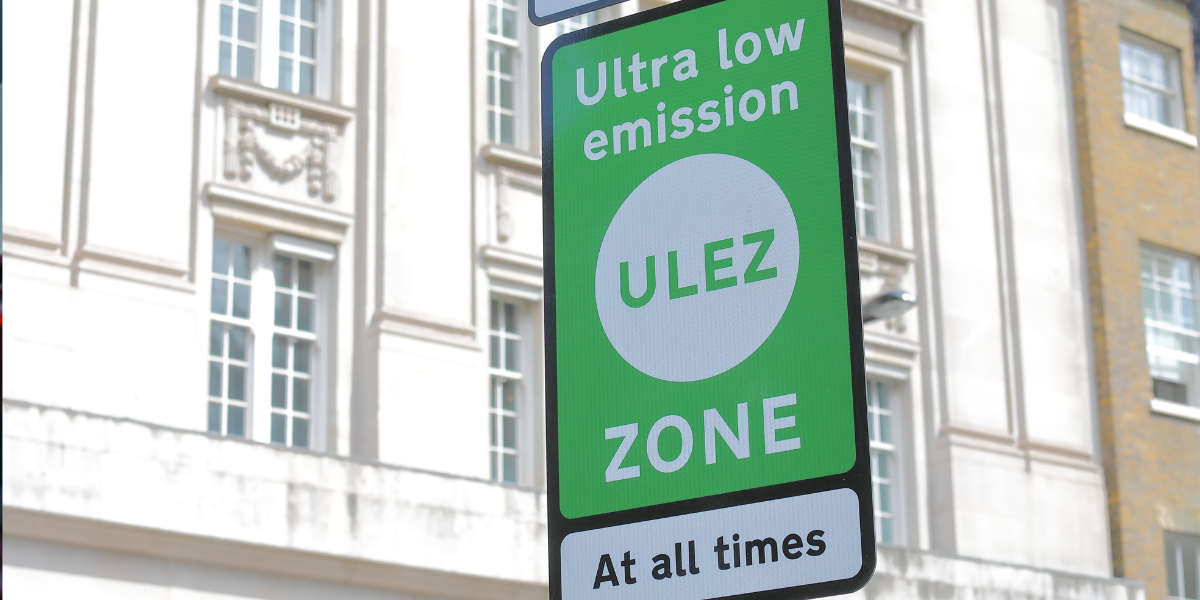
The drop in demand for diesel in London is also more likely to be swift, moved along by the cost of operating a diesel car in the capital. Following the expansion of the Ultra-Low Emission Zone in 2023, using a diesel car registered before September 2015, anywhere in the city, incurs a daily fee of £12.50.
With diesel vehicle sales dropping dramatically and the increasing inconvenience of running an ageing diesel fleet, we expect to see an increase of scrap cars in London. The average age of a scrap car in the UK is 17 years, but it’s unlikely diesel car owners will hold on to their vehicles in these later years as we head into the 2030’s as so many factors will be stacked against them.
We’ve all known for a long time that the Government plans to ban the sale of new petrol and diesel cars from 2030. While there are no public plans to outlaw the use of existing traditional-fuelled vehicles, that may be the natural next step in the decade that follows the sales ban. It’s certainly something car buyers need to consider.
So what do the fuel retailers have to say? The Petrol Retailers Association (PRA) have said its members have ‘no definitive plans to cease selling diesel’. But clearly any competitive industry has to look ahead and while many businesses may have previously dragged their heals on adopting EV charging, no one can ignore the latest SMMT figures – showing the clear drop in demand for diesel. In fact, the PRA confirmed that when asked last year, only 57% of its members believed fuel would be a core source of their revenue in a decade. Investment is going into expanded retail shops, valeting and of course EV charging facilities.
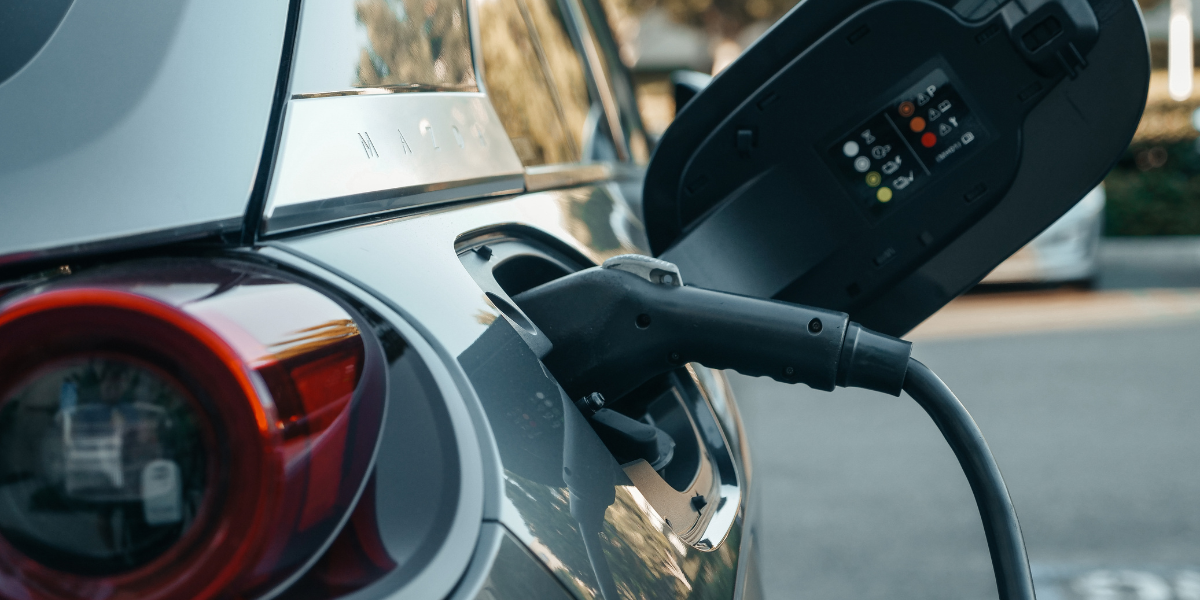
Ironically, the UK may end up in the reverse situation we’ve experienced with the introduction of EV charging infrastructure …The lack of EV charging facilities halted the progress of EV up-take, but as these facilities continue to increase and improve and naturally take priority over the provision of diesel, diesel car owners may well end up in the same nervous search for fuelling options. It is this scenario, now predicted for as close as 2030, that may well force the hand of diesel car owners – not prepared to travel for, or possibly even pay over the odds for their fuel. New AutoMotive concluded that ‘As diesel availability tightens, many motorists will conclude the smartest option is to avoid the headache and go electric.’ In fact, the company predicts that London will be the first UK city with no diesel cars at all.
If this scenario plays out as predicted, the reality will indeed be that many filling stations in our capital will stop selling diesel before the end of the decade. In turn we can only predict a significant increase in the scrapping of diesel cars across London.
There are no longer government scrappage schemes available in the capital, but here at CarTakeBack we can at least find you the best price available for your scrap car from competing branches in London and collect your car for free.
You can get an instant quote online, or if you’d rather talk through the condition of your car, do get in touch with our lovely customer services team who will be happy to help you.